Is Spray Foam Insulation Worth It for Historic Wall Cavities?
If you own a home in downtown Bloomington or Normal with original wall cavities, you've likely wondered whether spray foam insulation makes financial and practical sense. The short answer is yes, but it depends on your specific situation, budget, and long-term goals for your property.
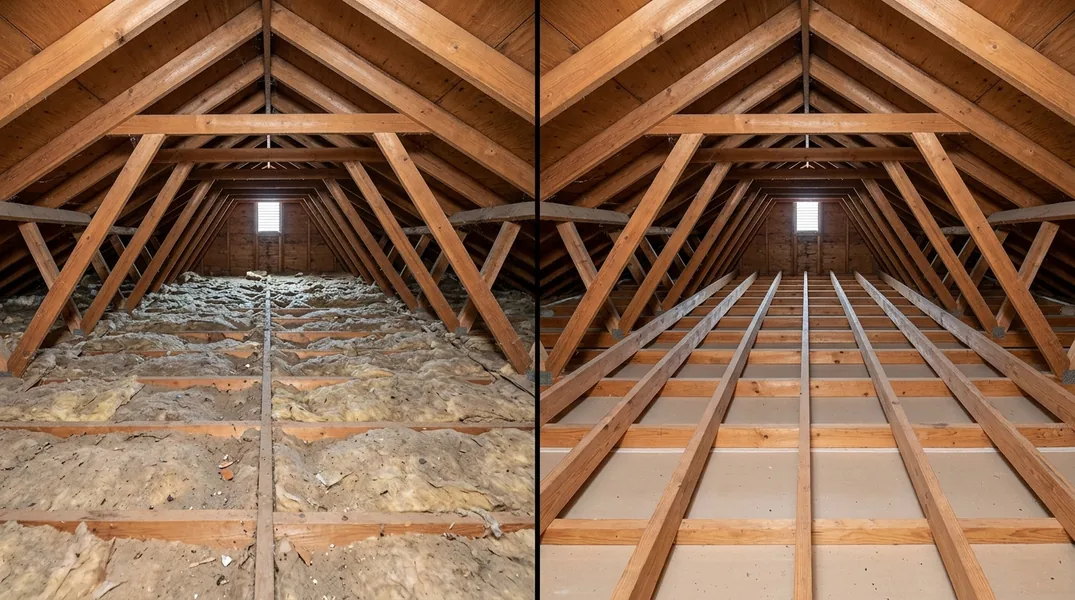
Original wall cavities in older homes are typically empty or partially filled with outdated materials like fiberglass batts or loose-fill cellulose. These materials settle over decades, lose their R-value, and leave gaps that allow conditioned air to escape. Wall & Injection Foam Insulation seals these cavities completely, creating an air barrier that reduces heating and cooling costs year-round. For homeowners in Bloomington facing harsh winters and humid summers, this translates to real savings on energy bills and improved comfort inside your walls.
The investment in spray foam typically pays for itself within 5 to 10 years through lower utility costs, depending on your current insulation condition and local energy rates. Beyond cost savings, you also gain improved indoor air quality, reduced noise transmission, and better moisture control, which is especially valuable in homes with original construction that may be prone to drafts and condensation issues.
Spray Foam Insulation Pros and Cons: A Balanced Look
Understanding the full picture of spray foam benefits and drawbacks helps you make an informed decision. The advantages are substantial: spray foam provides superior air sealing compared to traditional insulation, achieves higher R-values per inch, fills irregular cavities perfectly, and lasts 80+ years without significant degradation. For homeowners with older wall cavities that have shifted or settled, spray foam conforms to every nook and cranny, eliminating thermal bridging and air leaks that traditional batts cannot address.
On the downside, spray foam has a higher upfront cost than fiberglass or cellulose, typically ranging from $1.50 to $3.50 per board foot for Closed Cell Spray Foam Insulation and $0.50 to $1.50 for Open Cell Spray Foam Insulation. Installation requires specialized equipment and training, so you cannot DIY this project. Additionally, once spray foam is installed, it is extremely difficult to remove or modify if you need to access wall cavities later for plumbing, electrical, or structural work. Some homeowners also express concerns about off-gassing and chemical safety, which we address in detail below.
The key is weighing these trade-offs against your home's condition, your timeline for recouping the investment, and your priorities regarding energy efficiency and comfort. For many homeowners in Bloomington, the long-term benefits outweigh the initial expense, particularly if they plan to stay in their home for a decade or more.
Is Spray Foam Insulation Safe? Understanding Off-Gassing and Chemical Concerns
Safety is a legitimate concern for any homeowner considering spray foam. The good news is that modern spray foam products, when installed by trained professionals, are safe and meet all federal and state building codes. However, understanding the chemistry helps ease concerns. Spray foam is made from two liquid components that react together to expand and harden. During application and initial curing, volatile organic compounds (VOCs) are released, a process called off-gassing. This is why proper ventilation during installation and for 24 to 48 hours afterward is essential.
Spray foam off-gassing typically subsides within a few days as the material fully cures. Once cured, spray foam is inert and does not continue to release harmful chemicals into your home. The isocyanates and polyols used in spray foam formulations are the same compounds used in countless consumer products, from automotive parts to furniture foam. When installed in wall cavities (rather than open crawl spaces or attics where you spend time), any residual off-gassing is further isolated from living areas by drywall and other barriers.
The key to safe spray foam installation is hiring a certified, experienced contractor who follows EPA guidelines, uses proper personal protective equipment, and ensures adequate ventilation during and after application. Bloomington Spray Foam Insulation adheres to all safety protocols and uses products that meet or exceed industry standards. If you have respiratory sensitivities or other health concerns, discuss them with your contractor before work begins, and plan to stay away from the work area during curing. Once cured, spray foam poses no ongoing health risk to you or your family.
Common Spray Foam Insulation Problems and How to Avoid Them
Like any building material, spray foam can develop problems if not installed correctly or if the wrong type is selected for your application. One common issue is improper application leading to gaps or incomplete coverage, which defeats the purpose of the insulation. This happens when installers rush the job or lack proper training. Another problem occurs when homeowners choose the wrong foam type for their climate or wall assembly. For example, Open Cell Spray Foam Insulation is more vapor-permeable and better suited to certain climates, while closed-cell foam offers higher R-value and better moisture resistance, making it ideal for basements or areas prone to water intrusion.
Moisture issues can arise if spray foam is installed over wet surfaces or if the wall cavity contains trapped moisture. Spray foam does not cure properly on damp substrates, and moisture trapped behind foam can lead to mold growth. Additionally, some older homes may have existing moisture or structural issues that need addressing before foam installation. A professional assessment identifies these problems upfront. Poor installation can also result in foam shrinkage or cracking over time, though this is rare with quality materials and expert application.
The best way to avoid spray foam problems is to hire a reputable, licensed contractor with proven experience in your area. Bloomington Spray Foam Insulation has years of experience with Attic Spray Foam Insulation and wall cavity work throughout the region. We conduct a thorough inspection before recommending a solution, ensure all surfaces are properly prepared, and stand behind our work with warranties. Requesting references and verifying certifications protects you from substandard installations that create costly problems down the line.
Spray Foam Insulation Cost in Bloomington: What to Budget
The cost of spray foam insulation for wall cavities varies based on several factors: the size of the area being insulated, the type of foam selected (open-cell or closed-cell), the complexity of access, and current market rates. On average, homeowners can expect to pay between $1.50 and $3.50 per board foot for closed-cell foam and $0.50 to $1.50 per board foot for open-cell foam. For a typical wall cavity project in a Bloomington home, this translates to $2,000 to $8,000 or more, depending on scope.
While this may seem expensive compared to traditional insulation, remember that spray foam lasts 80+ years and delivers superior performance. The energy savings alone can offset the initial investment, and you gain additional benefits like improved comfort, reduced air infiltration, and better moisture control. Many homeowners also find that improved insulation increases home resale value and appeal to buyers concerned about energy efficiency.
To get an accurate estimate for your specific project, contact Bloomington Spray Foam Insulation for a free estimate. We assess your wall cavities, discuss your goals and budget, and provide transparent pricing with no hidden fees. Call us at (309) 487-2702 to schedule your consultation today. Understanding your actual costs and expected savings helps you make the best decision for your home and budget.
Wall & Injection Foam Insulation Near Me: When to Call a Professional
If you are noticing drafts, uneven heating or cooling, high energy bills, or visible gaps in your original wall cavities, it is time to call a professional. Wall & Injection Foam Insulation is a specialized service that requires equipment and expertise beyond the scope of typical homeowner projects. A trained contractor can assess whether your walls are good candidates for foam, identify any moisture or structural issues that need attention first, and recommend the best foam type and application method for your specific situation.
Injection foam is particularly valuable for homes where you cannot access wall cavities from the interior without extensive drywall removal. Contractors drill small holes, inject foam directly into the cavity, and seal the holes afterward. This method works well for historic homes and situations where preserving interior finishes is important. Whether you need full-cavity injection foam or spot treatments for specific problem areas, a professional evaluation ensures you get the right solution.
Bloomington Spray Foam Insulation serves homeowners throughout the area with expert wall and injection foam services. We understand the unique challenges of older homes with original construction and help you find cost-effective, long-lasting solutions. If you are ready to improve your home's insulation and energy efficiency, reach out to us at (309) 487-2702 or visit our website at https://bloomington-il-spray-foam.com to learn more about how we can help.
Looking for a professional spray foam insulation contractor in Bloomington? Bloomington Spray Foam Insulation responds fast for all your spray foam insulation needs.
Get a Free Quote