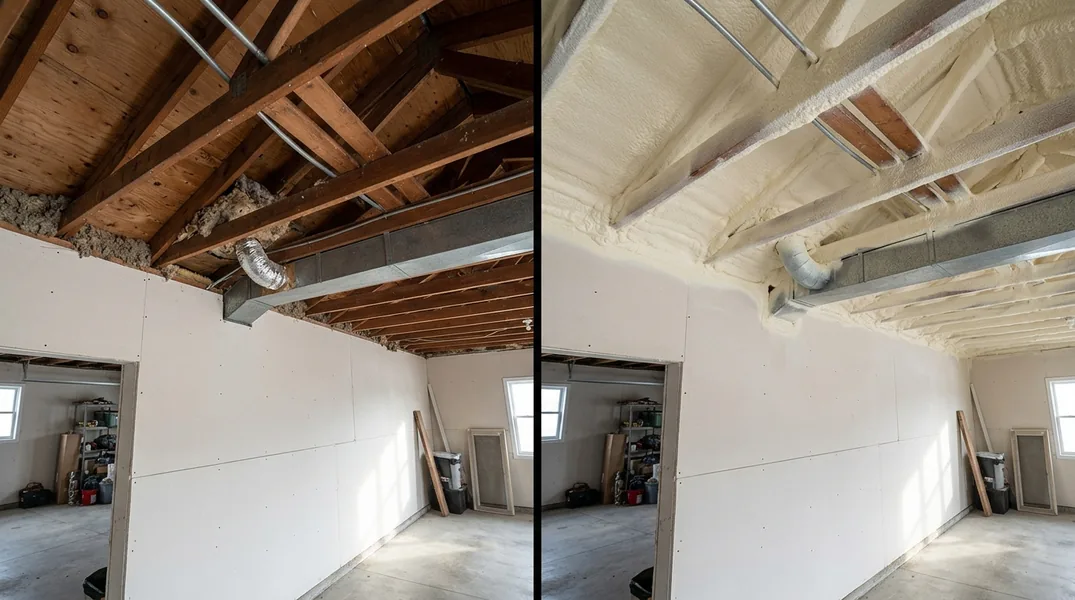
Do You Need a Permit for Spray Foam Insulation in Bloomington?
One of the most common questions homeowners ask when planning an Attic Spray Foam Insulation project is whether they need a permit. The answer depends on the scope of your work, your local building codes, and the type of insulation material you choose. In Bloomington, most attic insulation projects do require a building permit, especially if you're upgrading existing insulation or making structural changes.
Permits exist to protect homeowners and ensure that work meets safety and energy code standards. When you hire a professional contractor like Bloomington Spray Foam Insulation, they handle the permit process as part of their service. This protects your investment and ensures your home meets all local codes. Skipping permits might seem like a shortcut, but it can create problems when you sell your home, file an insurance claim, or need future inspections. The permit cost is typically modest compared to the long-term benefits of compliant, energy-efficient insulation.
Understanding Open Cell vs. Closed Cell Spray Foam for Permit Purposes
The type of spray foam you choose can influence permit requirements and inspection procedures. Open Cell Spray Foam Insulation is lighter, more flexible, and typically less expensive. It's also air-permeable, which means it allows moisture vapor to pass through. This characteristic matters for permit inspectors because it affects how your attic ventilation and moisture management systems work together. Open cell foam is popular for interior applications where flexibility and sound dampening are valued.
Closed Cell Spray Foam Insulation, by contrast, creates a rigid, moisture-resistant barrier. Because it's denser and more impermeable, it provides better air sealing and structural support. The closed cell spray foam R value is significantly higher per inch than open cell, meaning you need less material to achieve the same thermal resistance. Inspectors pay close attention to closed cell installations because the air-sealing properties change how your home breathes and how condensation might form. Both types can meet code requirements, but your contractor must install them correctly and document the work for permit approval.
Spray Foam R Value and Building Code Compliance in Bloomington
Building codes in Bloomington specify minimum R values for attic insulation based on your climate zone. Illinois is in a region that requires R-38 to R-49 insulation in attics, depending on the specific code year and local amendments. Understanding the closed cell spray foam R value helps you plan your project correctly. Closed cell foam typically offers an R value of 6 to 7 per inch, while open cell spray foam provides approximately 3.5 to 4 per inch. This means achieving R-49 with closed cell requires about 7 to 8 inches, whereas open cell would need 12 to 14 inches.
Your permit application must show that your final installation meets these minimum requirements. Inspectors will verify the thickness and density of the foam applied, and they may request documentation from your contractor showing the product specifications and installation photos. Choosing the right foam type and thickness upfront ensures you pass inspection the first time and avoid costly delays. When you request a free estimate from Bloomington Spray Foam Insulation, our team will recommend the best option based on your attic's current condition and your budget.
The Permit Process: Timeline and What to Expect
Understanding the permit timeline helps you plan your spray foam project realistically. After you decide to move forward, your contractor submits an application to the Bloomington building department that includes details about the work scope, material specifications, and R value calculations. The city typically reviews the application within 5 to 10 business days. Once approved, you receive a permit number, and work can begin. After installation, the building inspector schedules a final inspection to verify that the foam was applied correctly and meets code.
The entire process from application to final sign-off usually takes 3 to 4 weeks, though it can be faster if there are no questions or corrections needed. Your contractor communicates with the building department on your behalf, which streamlines the process significantly. Bloomington Spray Foam Insulation is familiar with local permit requirements and procedures, so we expedite approvals whenever possible. We also ensure all documentation is complete and accurate, reducing the chance of delays. If you're ready to start your project, call us at (309) 487-2702 to discuss your timeline and permit needs.
Permits for Wall and Injection Foam Projects
Permits aren't limited to attic work. If you're considering Wall & Injection Foam Insulation to improve energy efficiency in exterior walls or rim joists, permits are equally important. Injection foam is often used to upgrade existing walls without major disruption, making it an attractive option for older homes in Bloomington. However, because the work involves accessing wall cavities and introducing new materials, building permits are typically required.
Wall injection projects follow a similar permit process to attic work, but inspectors pay particular attention to moisture management and proper cavity filling. The contractor must ensure foam reaches all voids without creating pressure that damages the wall structure. Documentation of the injection points, foam type, and cavity dimensions becomes part of your permit file. This protects you by creating an official record of the work and ensuring it was done to code. If you're interested in upgrading your home's wall insulation, our team can walk you through the permit requirements and costs during your consultation.
Cost Considerations: Permits and Spray Foam Pricing in Bloomington
Homeowners often wonder how permit costs factor into overall project expenses. A building permit in Bloomington typically costs between $50 and $200, depending on the project size and scope. This is a small fraction of your total spray foam installation cost. When you get pricing from Bloomington Spray Foam Insulation, the permit fee is usually included in the estimate, so you have a clear picture of total expenses upfront. Some contractors try to avoid permits to offer lower bids, but this approach creates liability and potential code violations that cost far more to fix later.
The real value of including permits in your project is peace of mind and long-term protection. A permitted, inspected installation increases your home's resale value, satisfies insurance requirements, and ensures your insulation will perform as expected. When comparing quotes from different contractors, always ask whether permits are included. Bloomington Spray Foam Insulation provides transparent, all-inclusive pricing that covers materials, labor, and permitting. Contact us at (309) 487-2702 or request a free estimate to see how we can help you complete your spray foam project the right way.
Looking for a professional spray foam insulation contractor in Bloomington? Bloomington Spray Foam Insulation responds fast for all your spray foam insulation needs.
Get a Free Quote